From Story Idea to Screen
A major focus of the training was understanding that good video starts with good storytelling.
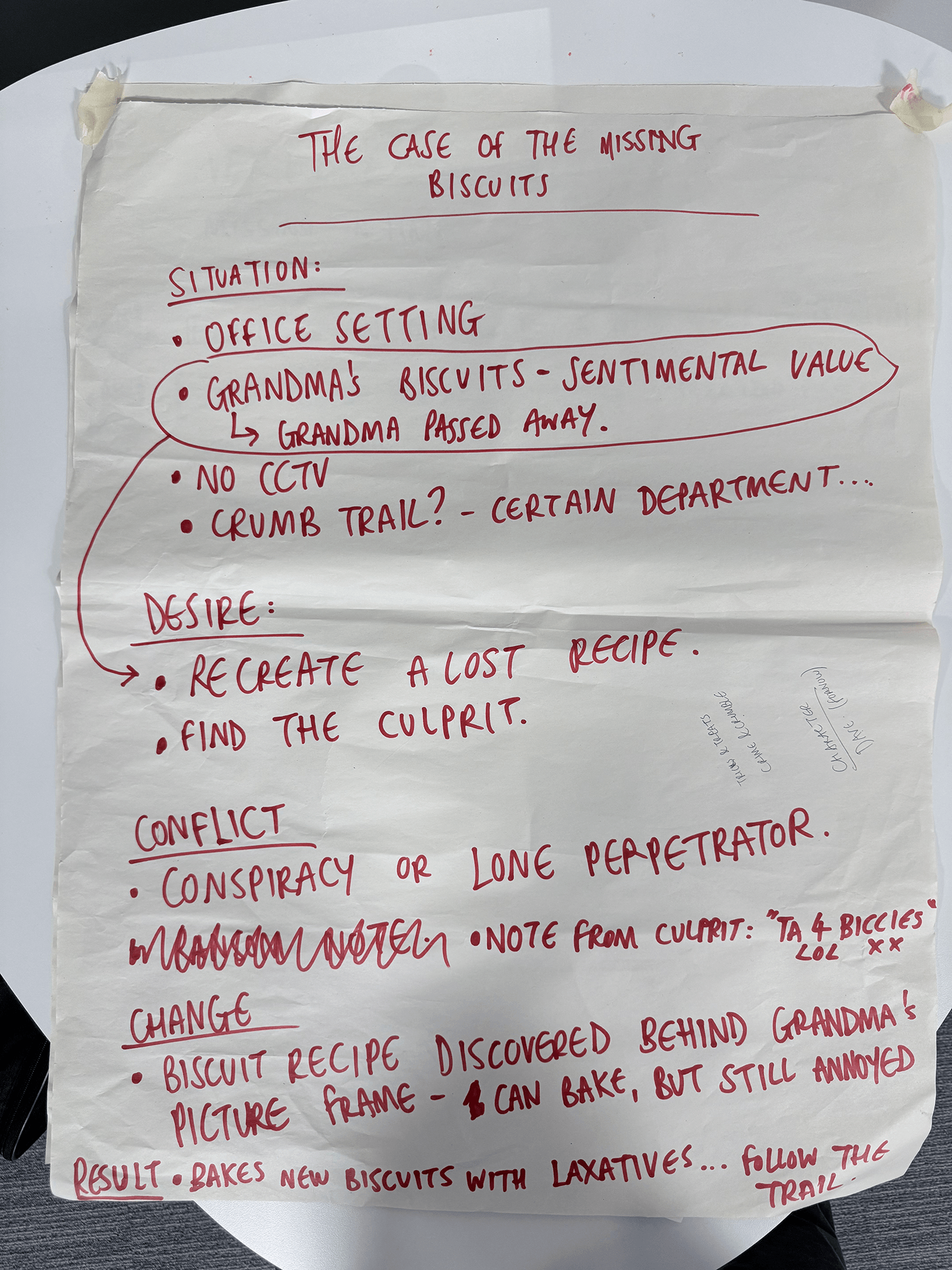
Learners were introduced to a simple five-stage storytelling framework:
01 — Situation
Establish the world, context and starting point.
02 — Desire
What does the subject want or need?
03 — Conflict
What obstacle, challenge or tension gets in the way?
04 — Change
What happens that changes the situation?
05 — Result
Where does the story ultimately arrive?
This gave the teams a practical framework for moving beyond simply recording information and towards creating videos with a clear narrative purpose.
Hands-On Production
The programme combined creative development with practical production.
Learners explored:
- Story development and planning
- Storyboarding
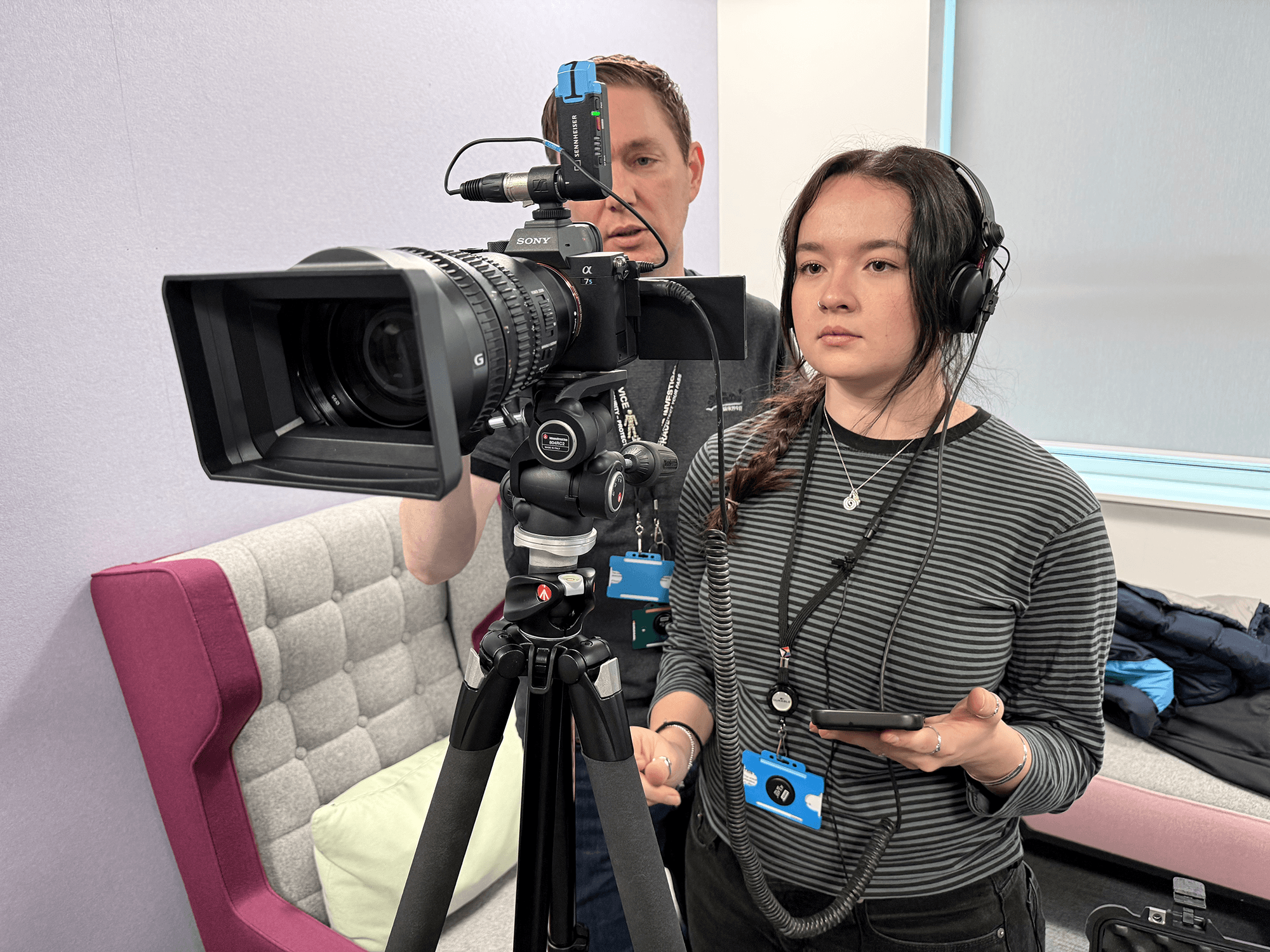
- Camera operation and composition
- Professional lighting techniques
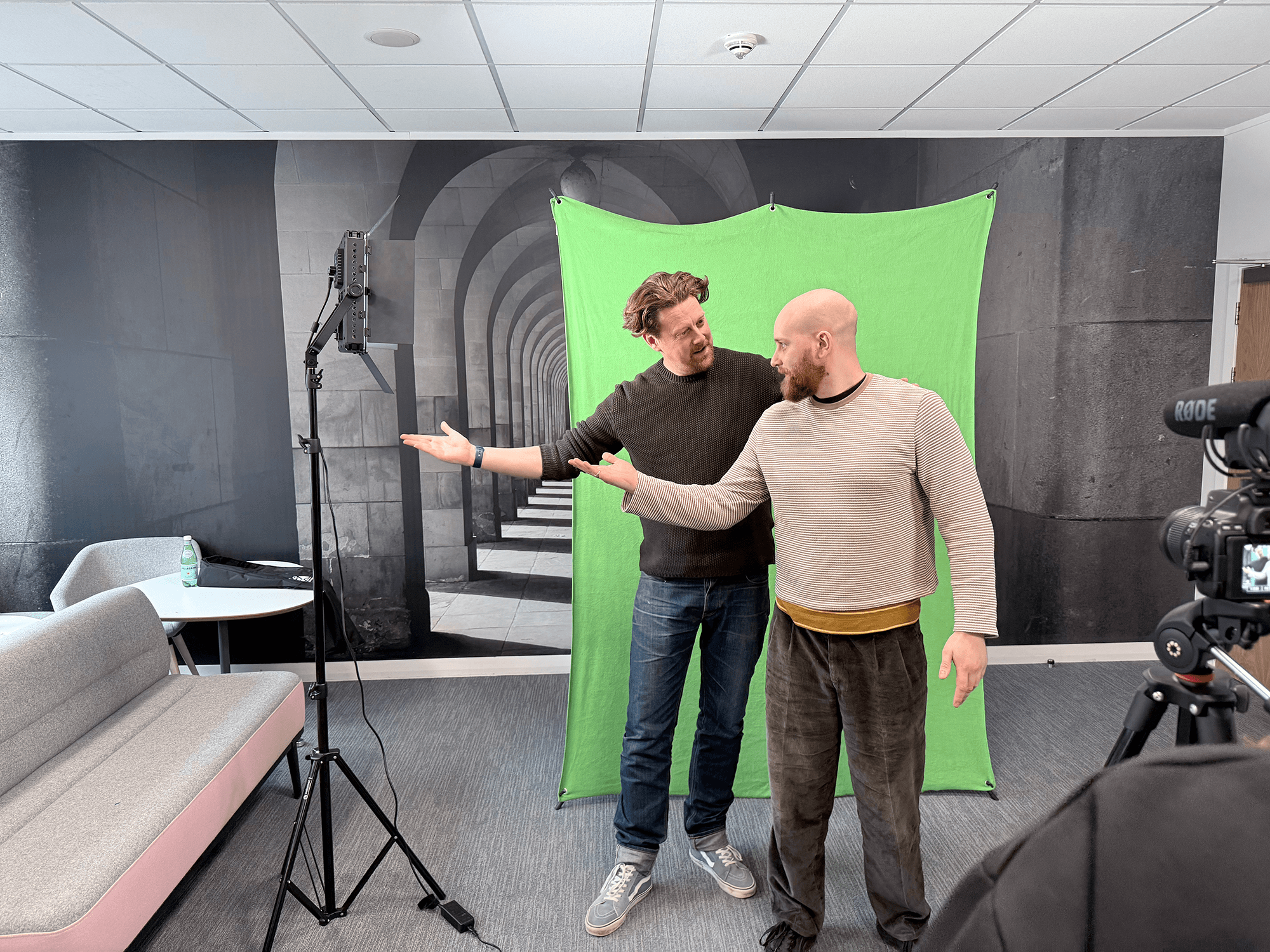
- Green-screen production
- Audio recording and microphone techniques
- Production planning
- 4K video recording
- ProRes workflows
- Working collaboratively as a production team
- Practical filming techniques
- Creating engaging visual content
The emphasis throughout was on learning by doing.
Each team had the opportunity to put the techniques into practice, experimenting with camera, lighting, sound and performance while developing their own production ideas.
Three Teams. One Production Challenge.
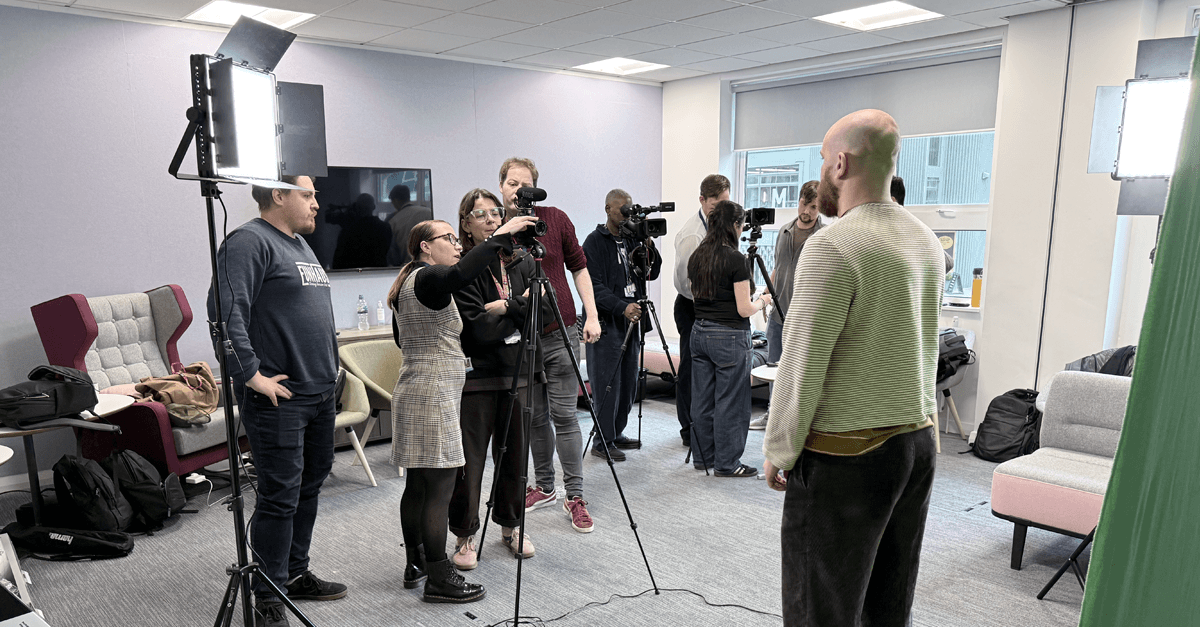
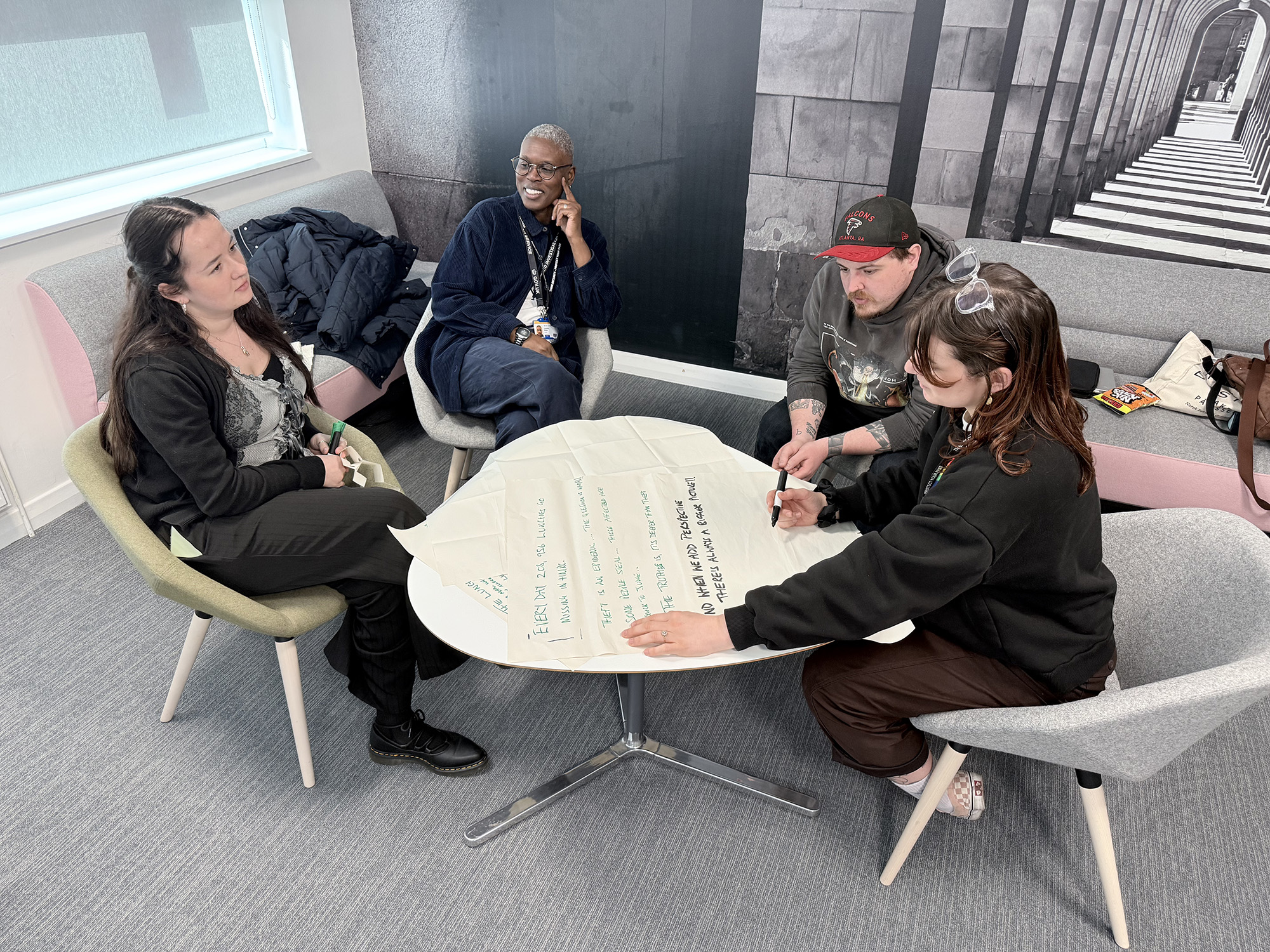
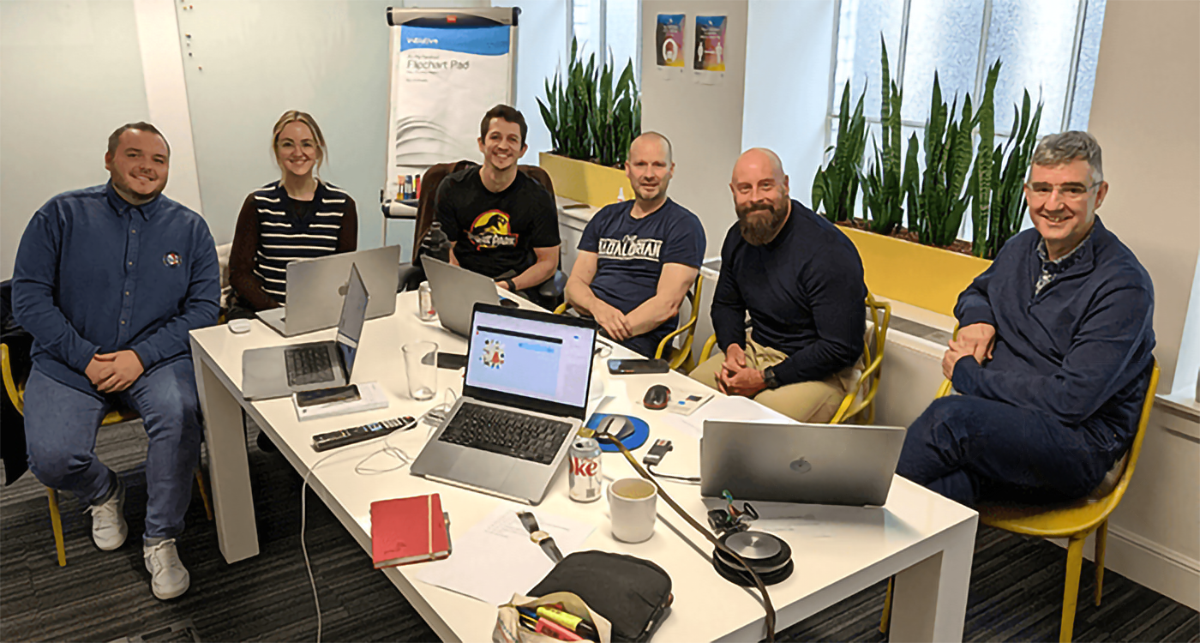
With 11 participants divided into three production teams, the training created a miniature production environment.
Learners had to think not only as individuals, but as members of a creative team — considering roles, planning, communication and how different elements of production work together.
This introduced an important real-world lesson: successful video production isn't just about knowing the software or equipment. It's about knowing how all the pieces fit together.
From the initial concept to the final shot, teams were encouraged to make creative decisions and solve production problems themselves.
The Technical Side
The storytelling work was supported by practical technical training.
Participants worked with 4K video and ProRes recording workflows, alongside lighting, green-screen and audio equipment.
Rather than treating technical knowledge as an end in itself, the focus was on understanding why and when particular techniques should be used.
Good lighting should support the story.
Good sound should make the message clear.
Good composition should guide the viewer.
And good camera technique should help communicate the idea.
The technology becomes much more powerful when the creative decisions come first.
The Result
The three-day programme gave HMRC's learners an opportunity to experience the complete creative process — from story concept and planning through to practical production.
By combining storytelling theory with hands-on filmmaking, the training helped participants build confidence in both the creative and technical sides of video production.
It was a great example of how practical creative training can give teams the skills to become more capable, confident content creators.